Stakes in the Nano-Frontier: How Basement Inventors Are Cashing In on the Patent Land Grab
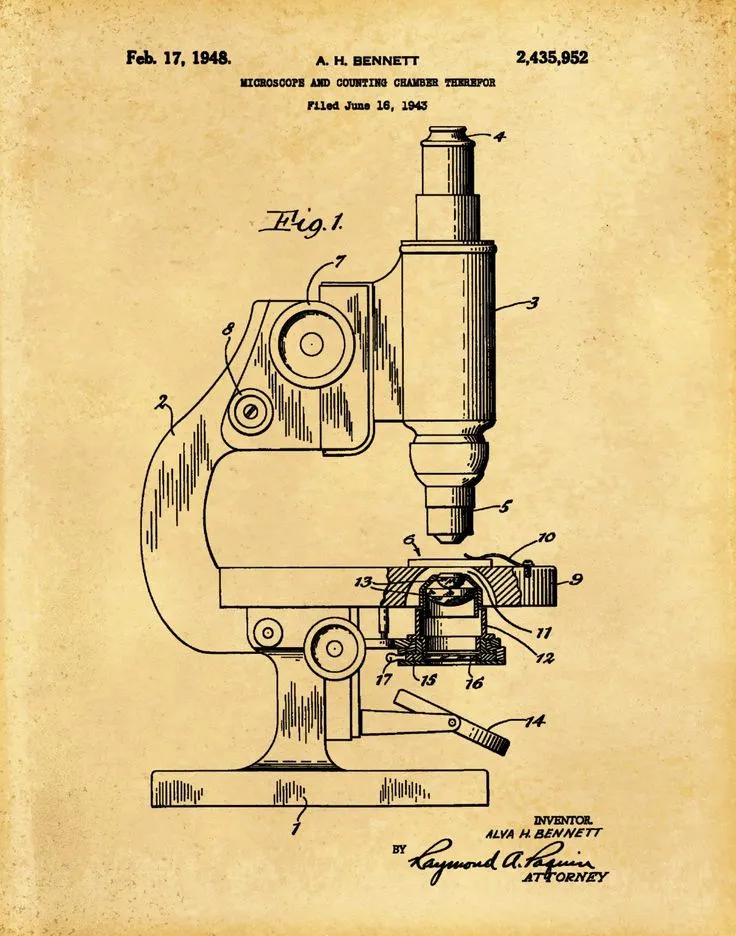
Photo: independent inventor working in small laboratory with microscope and patent documents, via i.pinimg.com
There's a land grab happening right now, and most people have no idea it's going on. While headlines obsess over what NVIDIA or TSMC are doing at the cutting edge of chip fabrication, a quieter revolution is unfolding in rented lab spaces, university maker rooms, and yes — actual garages. Independent nanotech inventors are filing patents at a pace that's starting to make corporate IP attorneys genuinely nervous.
And some of them are getting very, very rich.
The Landscape Has Shifted More Than You Think
For most of nanotech's short history, meaningful research required institutional backing. Electron microscopes alone could run $500,000. Cleanrooms needed climate control, vibration isolation, and staff who knew what they were doing. You basically needed a university or a Fortune 500 company to even get started.
That's changed. Atomic force microscopes — once the exclusive domain of elite research departments — can now be sourced for under $50,000, with some hobbyist-grade models dipping below $10,000. Open-source fabrication communities have exploded. The DIYbio movement, which started with gene hacking, has quietly expanded into materials science. And cloud-based molecular simulation tools like GROMACS and LAMMPS are free, running on hardware you can rent by the hour from AWS.
The barrier to doing nanotech research has dropped dramatically. The barrier to owning nanotech IP, however, hasn't caught up in the public consciousness. That gap is exactly where independent inventors are finding their opening.
Real People, Real Acquisitions
Consider what happened with graphene-based filtration. In the early 2010s, a handful of independent researchers — operating with minimal institutional support — filed foundational patents around graphene oxide membrane configurations for water purification. Several of those patents were later acquired by water treatment companies and materials conglomerates for figures ranging from low seven to mid eight digits. The inventors weren't tenured professors. They were obsessive hobbyists with chemistry backgrounds who recognized an unoccupied space before corporate R&D caught on.
More recently, the nanoparticle drug delivery space has seen a similar pattern. Small teams — sometimes just two or three people working out of shared lab facilities in places like Pittsburgh, Austin, and the Research Triangle in North Carolina — have filed patents on novel lipid nanoparticle formulations and targeting mechanisms. At least three such patents were absorbed into larger pharma portfolios between 2020 and 2023, according to USPTO filing records.
The pattern is consistent: identify an application area that's scientifically plausible but commercially underexplored, do the experimental work to establish reduction to practice, and file before the big players arrive.
What Makes a Nanotech Patent Actually Valuable
Not every patent is worth the paper (or the filing fee) it's printed on. The nanotech space is littered with broad, vague claims that courts have consistently struck down or that companies simply design around. So what separates the patents that attract acquisition interest from the ones that gather dust?
Specificity is everything. Vague claims like "a nanoparticle for delivering therapeutic agents" will get you nowhere. What acquirers want — and what survives legal challenge — is precise, defensible claims tied to specific synthesis methods, size ranges, surface chemistries, or functional behaviors that are demonstrably novel.
Reduction to practice matters enormously. You don't just need the idea; you need evidence that it works. Lab notebooks, experimental data, photographs of results — all of this builds the evidentiary foundation that makes a patent defensible and an acquisition target credible.
Freedom to operate analysis is something independent inventors often skip and shouldn't. Before you pour a year of weekends into a project, it's worth spending a few hundred dollars on a preliminary patent search (or doing it yourself through Google Patents and the USPTO database) to confirm you're not building on someone else's foundation.
Emerging Nano-Applications Still Wide Open
The question everyone wants answered: where are the gaps right now? While we can't give investment advice and the IP landscape shifts constantly, a few areas are generating genuine buzz among the independent inventor community.
Nano-enabled agricultural applications — things like targeted fertilizer delivery at the root level or nano-coatings that protect seeds from fungal infection — remain surprisingly underpatented relative to the scientific literature. The agricultural sector has been slow to embrace nanotech IP strategy.
Piezoelectric nanomaterials for energy harvesting is another domain where the fundamental science is well-established but specific implementation patents in wearables and IoT devices are still being staked out.
Nano-structured thermal management materials for next-generation electronics is attracting attention as chip thermal density becomes a genuine engineering crisis. There's meaningful white space here for inventors who understand both materials science and semiconductor packaging constraints.
Strategic Moves for the Independent Inventor
If you're sitting on experimental results that feel significant, a few practical considerations:
File a provisional patent application first. At $320 for a micro-entity (which most independent inventors qualify for), a provisional establishes your priority date while giving you 12 months to refine your full application. It's the cheapest way to plant your flag.
Document obsessively. Dated lab notebooks, timestamped photos, email threads discussing experimental results — all of it contributes to establishing conception and reduction to practice. Cloud-sync everything.
Find a patent attorney who actually understands materials science. This is non-negotiable. Generic IP attorneys drafting nanotech claims are a liability. Organizations like the Nano Business Alliance can sometimes point you toward attorneys with relevant technical backgrounds.
Consider whether licensing is smarter than assignment. Selling a patent outright (assignment) gives you a lump sum. Licensing it lets you collect royalties over time. For patents in rapidly growing application areas, licensing can dramatically outperform a one-time sale — but it requires ongoing legal vigilance.
The Clock Is Running
The window for independent inventors to stake meaningful claims in nanotech isn't infinite. As the tools become more accessible, more people are entering the space. Corporate R&D budgets are increasingly focused on emerging nano-applications. And patent offices are processing applications faster than ever.
The inventors who cashed out in the graphene rush moved early. The lipid nanoparticle crowd got in before COVID made everyone suddenly care about delivery mechanisms. The next wave of acquisition targets is being created right now, in spaces that don't yet feel obvious.
At NanoChan, we've always believed the future gets built by people who refuse to wait for permission. The nanotech patent landscape is one of the last genuinely open frontiers in deep tech IP — and the people who understand that earliest will define what comes next.
Your garage might be worth more than you think.