Nano on the Label, Science on the Shelf: How to Read the Buzzword Aisle
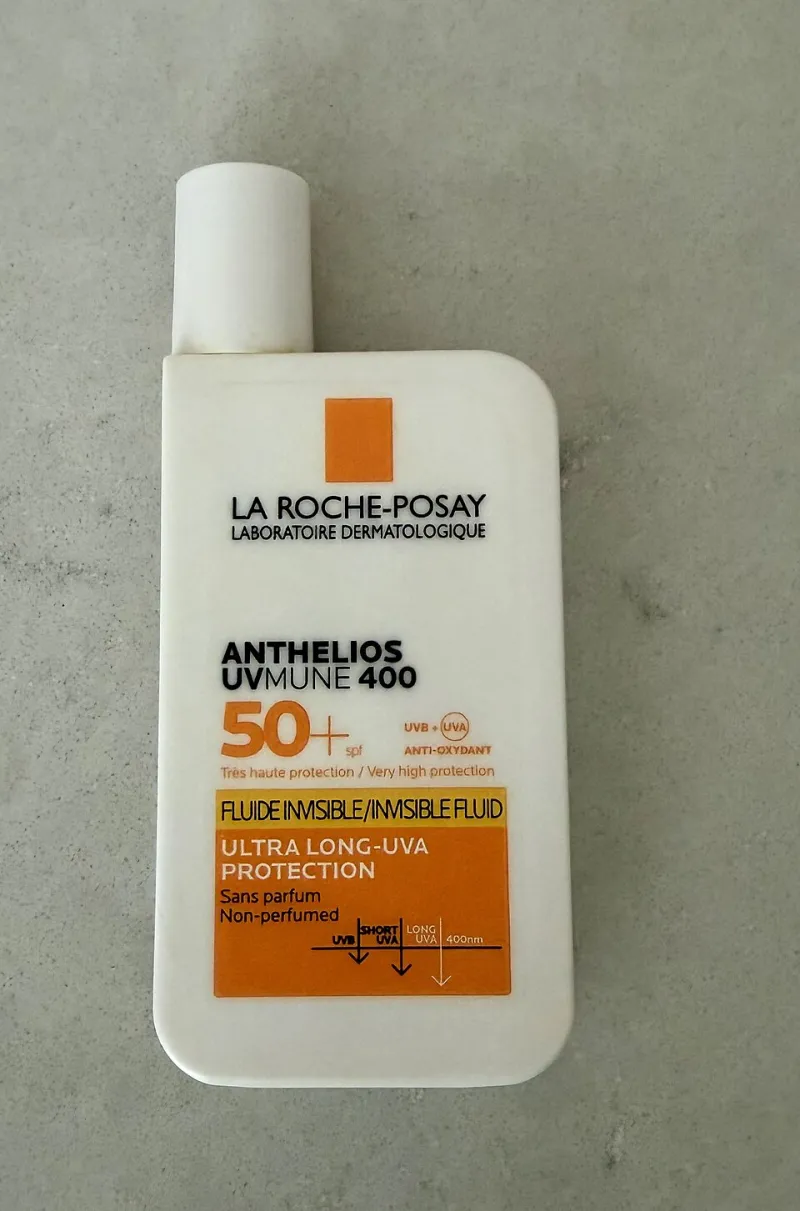
Photo: Netstars22, CC BY-SA 4.0, via Wikimedia Commons
Walk down any US drugstore aisle and you'll see the prefix doing overtime. Nano-enhanced sunscreen. Nano-silver socks. A tennis racket with "nano" stamped on the throat like a badge of honor. The word has become a shelf-level promise: smaller particles, bigger performance, better everything. But what does "nano-enhanced" actually mean on a label? In the United States, the honest answer is: it depends who you ask, and often nobody is required to explain.
The label is not a standard
There is no single US rule that defines "nano-enhanced" for consumer goods. The Food and Drug Administration treats sunscreens as over-the-counter drugs, and it has asked manufacturers for more data on nano-sized zinc oxide and titanium dioxide. The Environmental Protection Agency has a say when nanomaterials show up in pesticides or treated articles, like antimicrobial socks. The Federal Trade Commission watches advertising claims, including environmental ones. The Consumer Product Safety Commission can step in if a product is hazardous. That's a patchwork, not a gate.
In practice, a company can put "nano" on a box because it sounds advanced. Or because a supplier sold it a powder with particles under 100 nanometers. Or because the product genuinely uses engineered nanostructures that change how it performs. The label doesn't tell you which. California's Proposition 65 warnings sometimes mention titanium dioxide or other materials, but those warnings aren't a nano-specific disclosure system either.
Sunscreen: the one place nano is almost unavoidable
Mineral sunscreens rely on zinc oxide or titanium dioxide to block UV light. In their bulk form, those ingredients leave a thick white cast. Shrink them to nanoparticles and the lotion rubs in clear. That's a real engineering trade-off, not a marketing trick. The FDA has approved these ingredients for sunscreen use, but it has also flagged that nano-sized versions may behave differently in the body and the environment. The agency's 2021 sunscreen order asked for more safety data on the nano forms while keeping them on the market.
For shoppers, the practical question isn't "is nano bad?" It's "is this product formulated well, and does the label give me anything useful?" A sunscreen that says "nano zinc oxide" and lists an SPF is at least telling you something. A sunscreen that says "nano-powered protection" and nothing else is telling you a story.
Socks and the silver question
Nano-silver socks are a classic example of the label outrunning the evidence. Silver does have antimicrobial properties, and embedding it in fabric can cut down on odor. But the EPA has been inconsistent about how treated articles like socks get reviewed, and researchers have raised questions about silver nanoparticles washing out in the laundry and ending up in waterways. The performance claim, in other words, may be real. The environmental story is more complicated.
A useful rule: if the nano ingredient is doing a job — killing bacteria, blocking UV, conducting heat — ask whether the product tells you how much is there and why it won't just wash away. Most labels don't.
Tennis rackets and the original nano hype cycle
The tennis racket is a fun case because it shows how long nano has been a marketing word. In the early 2000s, racket makers started advertising "nano" materials — carbon nanotubes, nano-silica, various composites — promising stiffer frames and lighter swings. Some of those materials were real. Some were tiny additions to an existing composite. The racket still worked because it was a well-made racket, not because the word nano did anything on its own.
That pattern repeats across consumer goods. Nano can be a genuine performance lever in coatings, composites, and electronics. It can also be a pinch of titanium dioxide in a plastic shell and a trademarked logo. The label rarely distinguishes between the two.
What regulators actually require
The short version: not much that is nano-specific. The FDA regulates sunscreens as drugs, so the active ingredients and SPF claims have to be accurate, but "nano" itself isn't a regulated claim. The EPA's pesticide rules can apply to antimicrobial nano-silver in textiles, but enforcement has been uneven and the treated-article exemption has been criticized as a loophole. The FTC can go after outright false advertising, but it doesn't require companies to disclose particle size. The result is a market where the word "nano" is legally closer to "new and improved" than to "contains 40-nanometer particles."
That's not a conspiracy. It's a regulatory system built for chemicals and drugs, not for a prefix that can describe anything from a sunscreen ingredient to a racket frame.
How to shop without a spectrometer
You can't measure particle size in the aisle, but you can read like a skeptical adult.
First, look for a specific material. "Nano zinc oxide" or "nano titanium dioxide" tells you what the nano part is. "Nano technology" tells you nothing.
Second, look for a specific benefit tied to that material. UV protection, odor resistance, scratch resistance, thermal conductivity. If the benefit is vague, the nano probably is too.
Third, check whether the product makes a durability claim. Nano coatings that wash off or wear away in a week are a different proposition from nano structures embedded in a composite.
Fourth, be wary of products that use nano as a substitute for a real ingredient list. A sock that says "nano-silver" but doesn't say how much silver, or whether it's bound to the fabric, is asking for trust it hasn't earned.
The bottom line
The nano label isn't useless. In sunscreen, it's a real formulation choice with real trade-offs. In socks and rackets, it's often a mix of engineering and theater. The US oversight system doesn't force clarity, so shoppers have to supply their own filter. Treat "nano-enhanced" the way you'd treat "advanced formula" on a bottle of shampoo: a hint, not a guarantee. If a product can't explain what the nano is doing, assume it's doing less than the label implies.